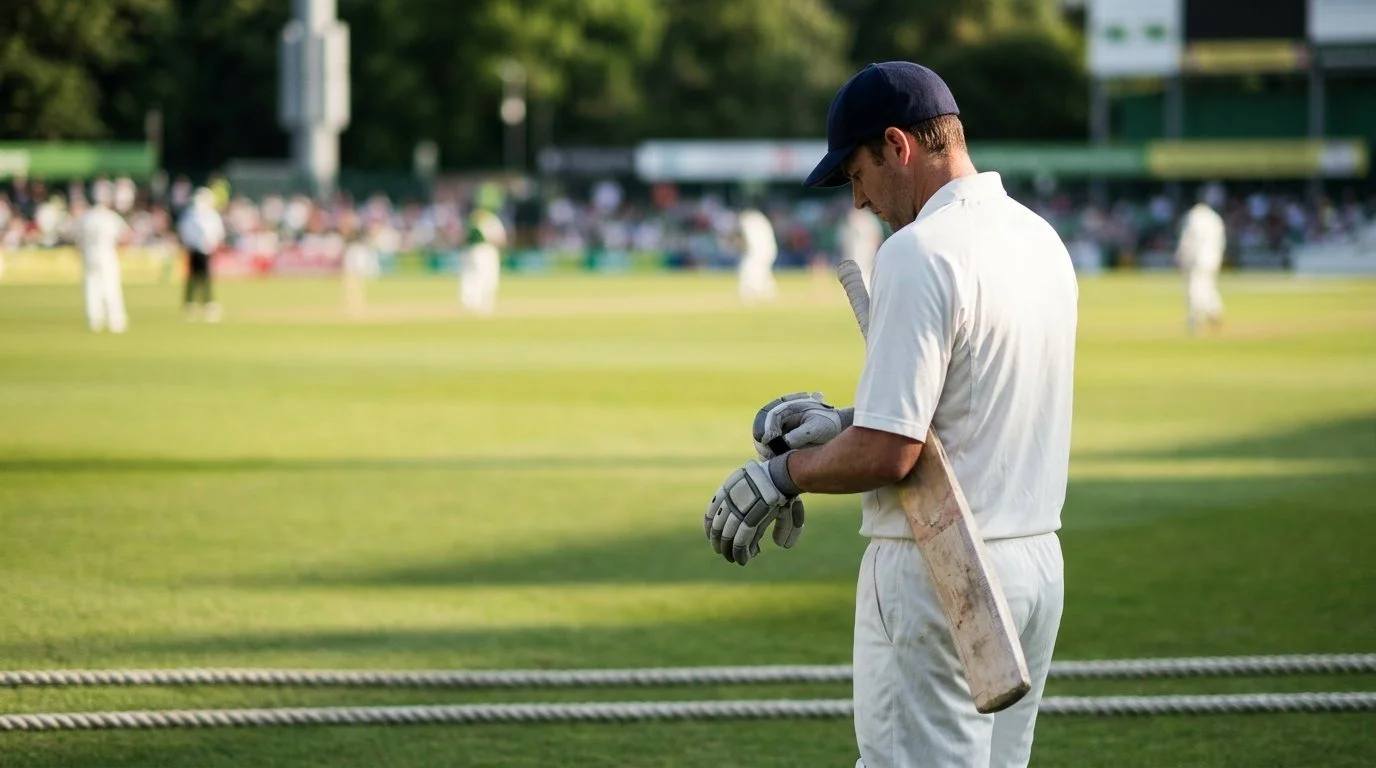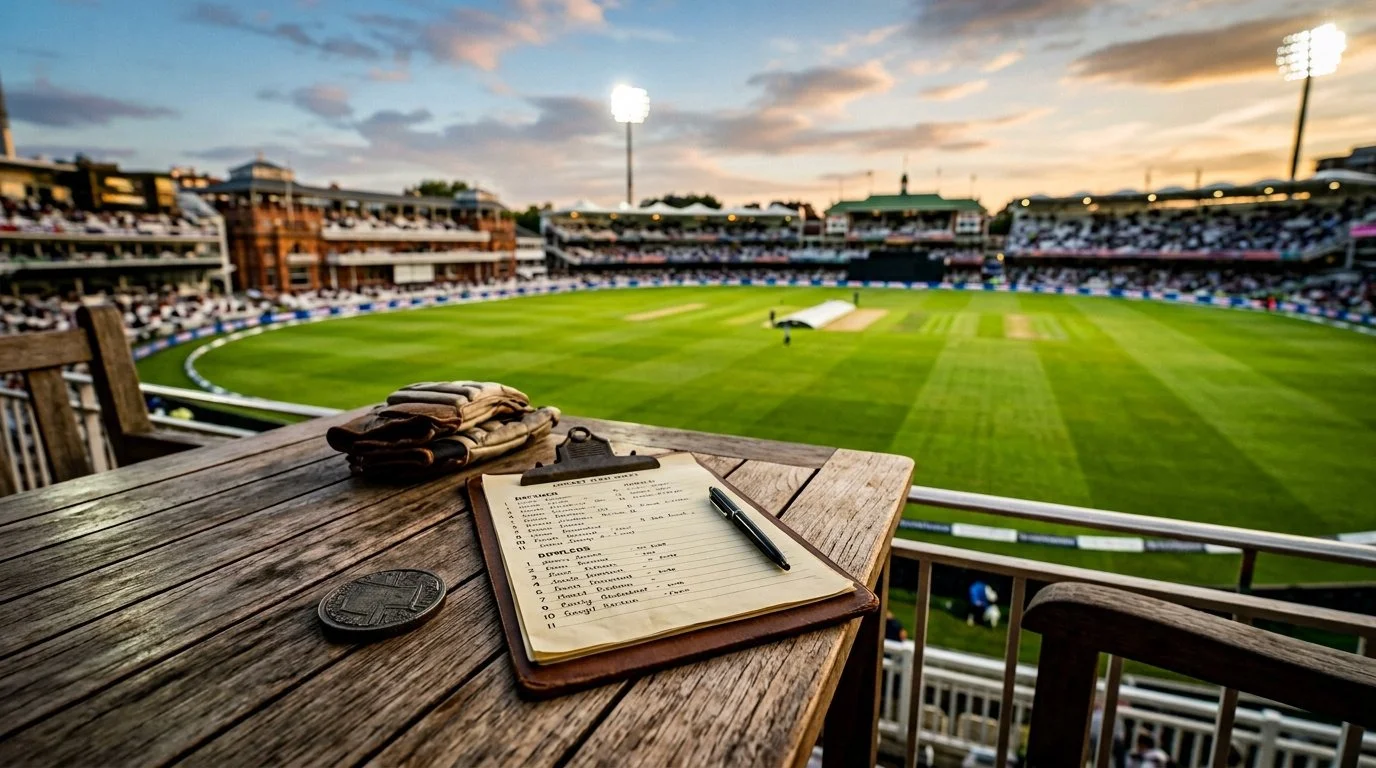
A captain flips a coin, chooses whether to bat or bowl and explains the decision in a few seconds. That announcement can start a lively discussion, but the coin itself does not score runs or take wickets. A more useful way to follow the match is to connect the toss decision to the confirmed team sheet, available bowling roles and conditions actually observed on the ground.
For readers researching Mahadev Cricket Betting, this is a cricket-analysis framework rather than a prediction or a recommendation to gamble. It does not establish that any particular operator, service or market is licensed or lawful in your location. Squad details, pitch conditions and competition rules must be checked for the actual match.
Also Read:Mahadev Book IPL Betting: Read a Batter’s Role Beyond Recent Runs
The opening question is not “Who won?”
The first question is: what did the captain choose to do, and which players must carry out that plan? A team asked to bat may have selected an aggressive opening pair and a longer batting order. A side choosing to field may have preferred its new-ball bowlers and expected the surface to be harder early. These are possible explanations, not facts until supported by the selection, captain's comments and play.
The toss has two parts: an outcome of chance and a decision by the winning captain. Keep them separate. The coin determines who chooses; the captain's choice reflects expectations about conditions, the opposition and team strengths. A good decision can still lead to defeat, and a decision that turns out poorly may have been reasonable when it was made.
Put four pieces of information on the same page
|
Item |
What to record Also Read:Mahadev New ID or Existing Account? A Phone-Change Decision Tree |
What remains uncertain |
|
Toss |
Winning captain and decision |
Whether the expected conditions will occur |
|
Playing elevens |
Names and apparent roles |
Exact batting order and bowling allocation |
|
Ground |
Confirmed venue and pitch report |
How this particular surface changes during play |
|
Weather |
Forecast and current observations |
Rain, wind or moisture later in the match |
This simple table prevents a prediction from being disguised as an observation. “The captain chose to field” is an observed fact. “The pitch will definitely become easier” is a forecast. “The team will certainly win the chase” is an unsupported guarantee.
The site's Mahadev Book pitch and toss guide discusses pitch and weather factors. Read it as background, then check the actual fixture, conditions and officials' announcements for the match in front of you.
First branch: the toss winner chooses to bat
A captain choosing to bat may want to post a total before the surface changes, use a strong top order or avoid a complicated chase. Sometimes the side simply believes its best route is to set a target. The choice does not reveal every detail of the plan, and the opposing captain may have preferred to bat as well.
Inspect the starting eleven. Does the side appear to have an extra batter, several all-rounders or a specialist bowler? A long batting order may allow early aggression, but it does not guarantee a high total. A bowling-heavy selection may still bat effectively. Roles must be confirmed through the order and how the match unfolds.
Watch the first few overs for movement, bounce and the quality of contact. If the openers survive without scoring quickly, ask whether the bowling is genuinely difficult or whether the field is restricting easy singles. If they score rapidly, distinguish controlled shots from chances that happened to evade fielders.
A Mahadev Book IPL Betting information page can provide competition context. It does not confirm that a particular event or market is available, or that the toss gives either side a financial advantage.
Second branch: the toss winner chooses to field
A team choosing to field may expect early movement for its seam bowlers, prefer to chase, or believe later conditions will favour batters. Those possibilities should not be reduced to “dew always helps.” Evening moisture varies, and a wet ball does not affect every bowler in the same way.
Check who is likely to bowl with the new ball and which options remain for the middle and closing overs. A captain can spend an opening bowler's overs early to seek wickets, but doing so may leave fewer options later. Whether that trade-off works depends on the rest of the attack and the match situation.
When the chase begins, compare the target with the observed pitch rather than an old venue average alone. A total of 160, for example, has a different meaning on a slow surface with large boundaries than on a fast outfield where both sides found clean hitting easy. The number is illustrative, not a benchmark for a real ground.
The team sheet can support more than one plan
A listed all-rounder is not automatically a four-over bowler or a middle-order finisher. The captain may use that player primarily for one skill, depending on the opposition and the current rules. A player selected for batting can also contribute in the field. Avoid assigning a fixed role solely from a short label on a graphic.
For a new-ball attack, identify who can swing or seam the ball and who offers a different angle. For the middle overs, look at the combination of spin, pace changes and field placements. For the end of the innings, identify the bowlers who still have overs available. These are questions to observe, not guarantees about what a captain will choose.
The site's Mahadev Book powerplay statistics explains powerplay statistics. A phase record can add context, but it should be compared with the current lineup and match conditions.
A hypothetical toss meeting
Team A wins the toss and fields. It selects three specialist seam bowlers and two spin options, one of whom is an all-rounder. The captain says there may be early movement. That is a coherent explanation: the selected attack appears capable of using the new ball, while the spin options can cover later periods.
After six overs, however, the pitch looks true and Team B has lost only one wicket. The original forecast may have been wrong, or the bowling may not have found the intended lengths. Team A can still adapt by changing fields, rotating its attack or targeting a particular batter. Do not declare the toss decision a failure before the match is complete.
At the interval, Team B posts 170. If the ball later becomes damp, Team A's chase may be affected by grip and fielding conditions. If it stays dry and the surface slows, the chase presents a different puzzle. The point is not to predict which scenario occurs, but to update the explanation when evidence appears.
What changes when the opponent's lineup is confirmed?
The opposition may select an extra spinner, a left-arm seamer or a batter suited to a particular role. These choices can influence matchups. A right-left batting pair may cause a captain to adjust fields; a bowler with a particular angle may be introduced for a specific batter. Those adjustments are tactical possibilities, not automatic outcomes.
A missing player can affect more than one position. If an opening batter is unavailable, a middle-order player may move up, leaving a different finisher. If an all-rounder is absent, the side may need a sixth bowling option elsewhere. Compare the overall balance rather than treating a replacement as a simple one-for-one statistical exchange.
For readers who searched for IPL Cricket ID, an account label is separate from the sporting team sheet. Verify the official eleven and competition information rather than relying on an account page or an early squad graphic.
Rain changes the decision tree
If weather interrupts play, officials apply the relevant competition conditions. Overs may be reduced, a target may be revised, or the match may have another officially declared outcome. Do not calculate a replacement target from the toss decision alone, and do not assume a delay automatically benefits the chasing side.
Record the score, wickets and overs when play stops; then record the officials' revised instructions and final result. A forecast is not an official interruption, and a television estimate is not necessarily the final target. Match-specific conditions take priority over a general article.
A search for an ID for IPL Betting should not be interpreted as proof of a particular market or settlement rule. If an adult uses a lawful service, the precise written terms for any entry are separate from the cricket playing conditions.
How to watch the first innings
Overs one to six: the initial plan
Note which bowlers begin, where the fielders stand and whether the ball moves. The fielding restrictions create boundary opportunities, but they also encourage captains to plan for wickets. Record the score and wickets, then add a sentence about how those runs were made. A run-rate figure without the quality of contact is incomplete.
Middle overs: who can control the pace?
Watch whether batters can rotate strike and whether the fielding captain can prevent comfortable singles. A spinner who concedes few boundaries may still allow a steady flow of ones; a fast bowler can be used to attack a new batter or hold a defensive line. Ask how the batting side's available wickets affect its willingness to take risks.
Closing overs: what resources remain?
Count the overs available to the bowling side's preferred finishers and identify the batters at the crease. A captain's toss decision may have assumed a certain bowling sequence, but injuries, wickets and earlier overs can change it. Compare the actual finish with the resources available, not with an arbitrary total forecast before the toss.
How to watch a chase
Write down runs required, balls remaining and wickets in hand. Calculate the required run rate using the remaining balls as a fraction of an over; do not treat 17.3 overs as 17.3 decimal overs. Seventeen overs and three balls are 17.5 overs in decimal notation, because three balls are half of a six-ball over.
For example, if 30 runs are required from 18 balls, three overs remain and the required rate is ten runs per over. That arithmetic does not establish whether the chase is easy. It matters who is batting, which bowlers remain, whether the ball is wet and how the surface is behaving. One wicket or one expensive over can change the situation immediately.
A captain may use a favourable matchup early in the chase or save a specialist for the final overs. A batting side may protect a settled player while another attacks. The toss decision is only the starting condition for a series of later choices.
What the toss cannot tell you
It cannot confirm the pitch will behave as expected, the weather will stay unchanged, a player will perform well or a side will win. It also cannot prove a market exists or that a service is legally authorised. Those are separate questions requiring current evidence.
A headline such as “toss winner has the advantage” should state the evidence and its limits. A few past matches are a small sample, and a captain's choice may reflect information about conditions that is not visible in a simple win-loss table. Association is not automatically causation.
An editor's pre-publication routine
Before publishing a match preview, check the scheduled venue and time zone, the organiser's current fixture and any confirmed injury updates. Mark projected elevens as projections. Once the toss takes place, update the decision and official teams rather than leaving a pre-toss prediction in place.
After the match, separate what was known before play from what became clear later. If dew appeared, report it as an observation where supported. If a bowler changed the game, describe the spell rather than claiming the coin toss caused the result. This makes the analysis useful even when the original expectation was wrong.
The fielding captain's adjustment board
A toss decision is made before the first delivery, but the captain has several later opportunities to adjust. When the opening plan is not working, the useful question is what alternatives remain. A side that selected three seamers and two spinners can use that variety differently as the ball and surface change. A side with fewer bowling options may need to protect a particular bowler's remaining overs.
Imagine the first seamer finds movement but concedes boundaries from short deliveries. The captain can retain the bowler and alter the field, switch ends if the rules and conditions allow, or introduce another player. Each change has a cost. More boundary protection can make singles easier; removing the bowler can mean losing a wicket-taking opportunity. The correct choice depends on execution and the rest of the innings.
Now imagine the opening bowlers are economical but do not take a wicket. The score may look controlled while two set batters remain. The captain may bring in a wicket-taking option even if that risks a more expensive over. A tactical note should explain the trade-off instead of calling every expensive delivery a mistake.
The batting captain's adjustment board
A side batting first can modify its planned order after early wickets or an unexpectedly quick start. Promoting a player who attacks spin may make sense if the opponent has introduced spinners, while holding that player back may leave the side better equipped for a later matchup. The choice depends on the actual squad, player fitness and the competition's rules.
If the innings is behind its desired rate, a team can accelerate through better running as well as boundary attempts. A single that changes strike can create a more favourable matchup; two runs can pressure fielders. Those choices also carry run-out risk. A useful analysis identifies where the field is placed and whether the runners have time to complete the second run.
When a team reaches the final overs with wickets in hand, the value of a dot ball changes because there are fewer deliveries left to recover. That does not mean every delivery should be hit in the air. A well-placed boundary, a hurried two and a risky aerial shot all offer different rewards and risks.
How to separate decision quality from outcome
Suppose a captain chooses to field after a forecast of late moisture, but the outfield remains dry. The choice should be assessed using the information reasonably available before play and the way the team executed its plan. An unexpected change in weather does not make the forecast a certainty, and the final result alone does not reveal whether the captain's reasoning was sound.
Conversely, if a team wins after choosing to field, examine how it won. A brilliant batting partnership, a dropped catch or a disciplined final spell may have mattered more than the toss. A balanced report can say the choice was followed by a victory without asserting that the choice caused it.
Build a one-page match note
Use four lines before play: the confirmed venue, the toss decision, the announced elevens and the captain's stated reason. Add two observations after the powerplay and two at the interval. At the end, write the official result and one sentence on which parts of the original plan were supported or contradicted by play.
Leave an explicit “unknown” line for details that are not public. If a player changes roles, update the note rather than rewriting the original assumption as though it was always the plan. This approach helps a reader follow the contest without turning a coin flip into a forecast.
Official Regulatory & Industry References
Mahadev Book adheres to industry compliance, fair play principles, and statutory regulatory standards: